
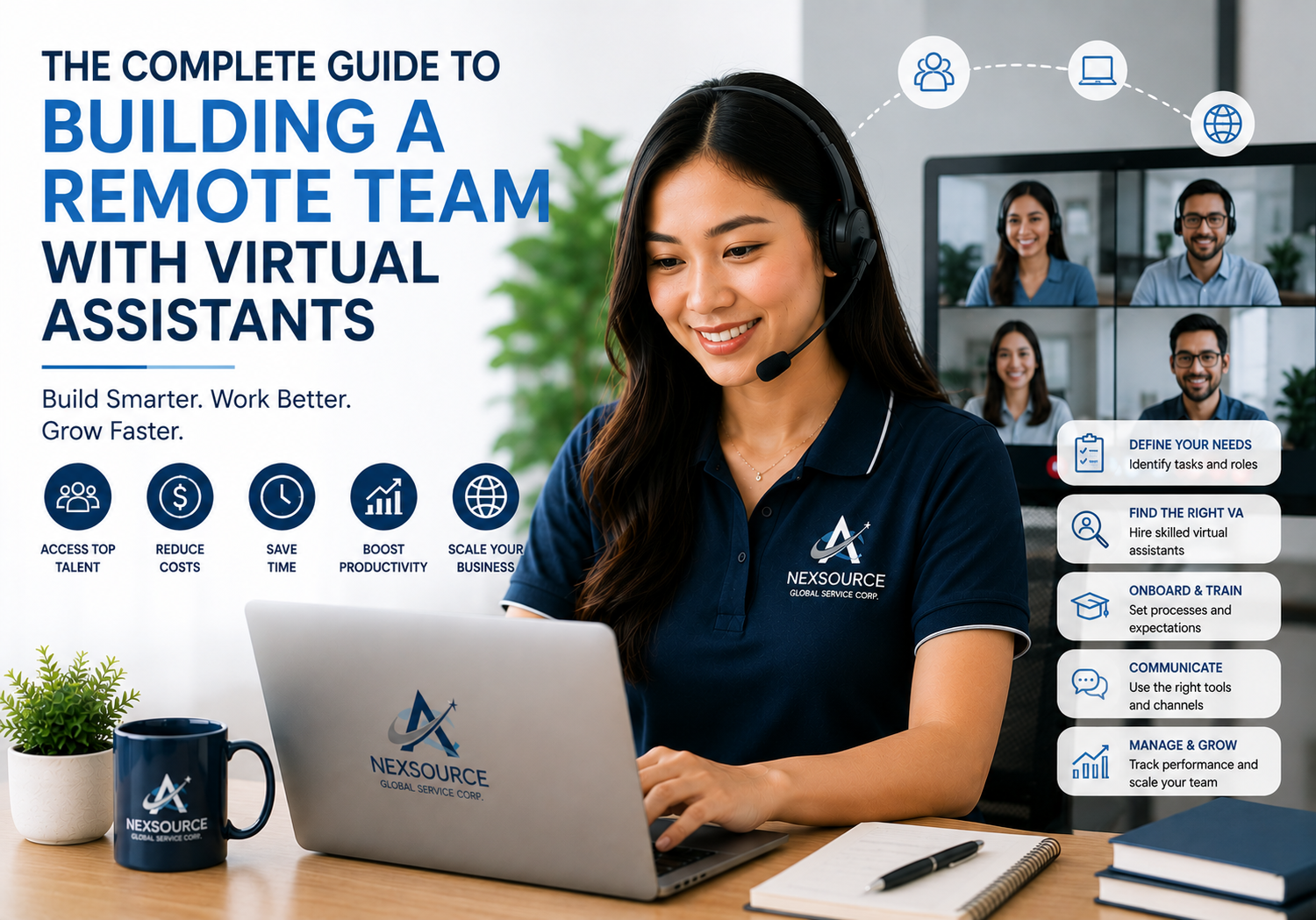
As businesses grow, so do their operational demands. Tasks that were once manageable by a small team can quickly become overwhelming, leading to reduced productivity, missed opportunities, and employee burnout. To scale effectively, many business owners are turning to remote teams powered by virtual assistants.
A remote team provides businesses with access to skilled professionals without the costs and limitations associated with traditional hiring. From administrative support and customer service to digital marketing and website management, virtual assistants can help businesses streamline operations and focus on growth.
In this complete guide, we’ll explore how to build a remote team, determine how many virtual assistants your business needs, and identify the best roles to outsource first.
Why Businesses Are Building Remote Teams
The rise of remote work has transformed how businesses operate. Companies are no longer restricted to hiring talent within their local area. Instead, they can access skilled professionals from around the world through a trusted Virtual Assistant Agency.
Building a remote team offers several advantages, including:
- Reduced operational costs
- Access to global talent
- Increased flexibility
- Improved productivity
- Faster business scalability
- Lower recruitment expenses
- Enhanced operational efficiency
With the right Remote Team Management strategy, businesses can create high-performing teams that operate efficiently regardless of location.
What Is a Remote Team?
A remote team consists of professionals who work outside of a traditional office environment while collaborating through digital tools and communication platforms.
Remote teams may include:
- Virtual Assistants
- Administrative Assistants
- Customer Support Representatives
- Digital Marketing Specialists
- WordPress Developers
- Medical Virtual Assistants
- Project Coordinators
- Sales Support Specialists
These professionals work together to support business operations while remaining connected through cloud-based systems and collaboration tools.
How Do I Build a Remote Team?
One of the most common questions business owners ask is how to successfully build a remote team. While the process may seem complex, it becomes much more manageable when approached strategically.
Step 1: Identify Tasks That Can Be Delegated
Before hiring virtual assistants, identify tasks that consume significant time but do not require your direct involvement.
Common examples include:
- Email management
- Calendar scheduling
- Data entry
- Customer support
- Social media management
- Content publishing
- Lead generation
- Website updates
These responsibilities are ideal candidates for Outsourced Business Support.
Step 2: Document Your Processes
Clear documentation is critical for successful Remote Team Management.
Create standard operating procedures (SOPs) that outline:
- Daily workflows
- Task instructions
- Communication expectations
- Software usage
- Performance metrics
Documented processes help virtual assistants integrate more quickly and reduce onboarding time.
Step 3: Determine Required Roles
Not every business requires the same type of support. Identify the specific skills needed to achieve your goals.
Examples include:
- Administrative support
- Marketing assistance
- Customer service
- Technical support
- Healthcare administration
- Website management
Understanding your needs helps ensure you hire the right professionals.
Step 4: Partner With a Virtual Assistant Agency
Many businesses choose to work with a Virtual Assistant Agency because it simplifies recruitment and hiring.
A reputable agency provides:
- Pre-screened candidates
- Skill assessments
- Faster hiring processes
- Ongoing support
- Flexible staffing options
This reduces hiring risks while providing access to qualified talent.
Step 5: Establish Communication Systems
Strong communication is essential for remote teams.
Popular communication and collaboration tools include:
- Microsoft Teams
- Slack
- Zoom
- Google Workspace
- Asana
- Trello
- ClickUp
These platforms help maintain accountability and ensure smooth collaboration.
How Many Virtual Assistants Does My Business Need?
There is no universal answer because every business has unique requirements. The number of virtual assistants needed depends on workload, business size, and growth objectives.
Small Businesses
Many small businesses begin with one virtual assistant who handles:
- Administrative support
- Customer inquiries
- Scheduling
- Data management
This provides immediate operational relief without significant investment.
Growing Businesses
As businesses expand, additional support may be required.
A growing company may benefit from:
- Administrative Assistant
- Digital Marketing Assistant
- Customer Support Representative
This structure allows specialized professionals to focus on their areas of expertise.
Scaling Organizations
Larger organizations often build complete remote teams that include:
- Executive Assistants
- Marketing Specialists
- Customer Service Teams
- Medical Virtual Assistants
- WordPress Developers
- Project Coordinators
These dedicated roles help support continued growth and operational efficiency.
What Roles Should I Outsource First?
One of the biggest mistakes business owners make is trying to outsource everything at once. A more effective approach is to start with high-impact tasks that deliver immediate benefits.
Administrative Support
Administrative work is often the best place to begin.
Tasks include:
- Email management
- Calendar scheduling
- Appointment coordination
- Data entry
- Documentation
Administrative Outsourced Business Support frees up valuable time for business owners.
Customer Service
Customer inquiries can consume significant resources.
Virtual assistants can manage:
- Email support
- Live chat
- Appointment bookings
- Customer follow-ups
- General inquiries
This improves customer satisfaction while reducing internal workload.
Digital Marketing
Marketing activities require consistency and ongoing effort.
Digital Marketing Virtual Assistants can assist with:
- Social media management
- SEO support
- Content publishing
- Email marketing
- Lead generation
These services help businesses improve visibility and attract new customers.
Website Management
Maintaining a website requires regular updates and technical oversight.
Businesses often outsource:
- Website maintenance
- Content updates
- WordPress support
- Performance optimization
This ensures websites remain functional and secure.
Medical Administrative Support
Healthcare practices frequently outsource:
- Appointment scheduling
- Patient communication
- Insurance verification
- Administrative workflows
Medical Virtual Assistants help improve operational efficiency while allowing healthcare providers to focus on patient care.
Best Practices for Remote Team Management
Building a remote team is only the first step. Effective management is essential for long-term success.
Set Clear Expectations
Define:
- Responsibilities
- Deadlines
- Performance goals
- Communication standards
Clear expectations improve accountability and productivity.
Schedule Regular Check-Ins
Consistent communication helps maintain alignment and address challenges before they become larger issues.
Weekly meetings often provide the right balance between oversight and autonomy.
Use Performance Metrics
Track measurable outcomes such as:
- Task completion rates
- Response times
- Lead generation results
- Customer satisfaction scores
Data-driven management helps optimize team performance.
Encourage Collaboration
Remote team members should feel connected to the organization.
Creating opportunities for collaboration and communication strengthens team culture and engagement.
Benefits of Outsourced Business Support
Businesses that embrace Outsourced Business Support often experience significant advantages.
Lower Operating Costs
Remote staffing eliminates many expenses associated with traditional employment, including office space, equipment, and benefits.
Greater Flexibility
Businesses can scale support up or down based on workload demands.
Access to Specialized Expertise
Virtual assistants often possess skills in areas such as administration, healthcare support, digital marketing, customer service, and web development.
Improved Efficiency
Delegating routine tasks allows business owners and internal teams to focus on growth-oriented activities.
Why Work With a Virtual Assistant Agency?
While some businesses hire freelancers directly, partnering with a Virtual Assistant Agency offers additional benefits.
Agencies provide:
- Candidate screening
- Skill verification
- Ongoing support
- Staffing flexibility
- Replacement assistance
- Structured onboarding
This creates a more reliable and scalable staffing solution.
Final Thoughts
Building a remote team with virtual assistants is one of the most effective ways to scale a business in today’s digital environment. Whether you need administrative support, customer service, digital marketing assistance, website management, or specialized industry expertise, virtual assistants can help improve efficiency while reducing operational costs.
By implementing strong Remote Team Management practices, identifying the right roles to outsource, and partnering with a trusted Virtual Assistant Agency, businesses can build flexible and high-performing teams that support sustainable growth.
As organizations continue to embrace Outsourced Business Support, remote teams will play an increasingly important role in helping businesses remain competitive, productive, and ready for future expansion.
0 Comments