
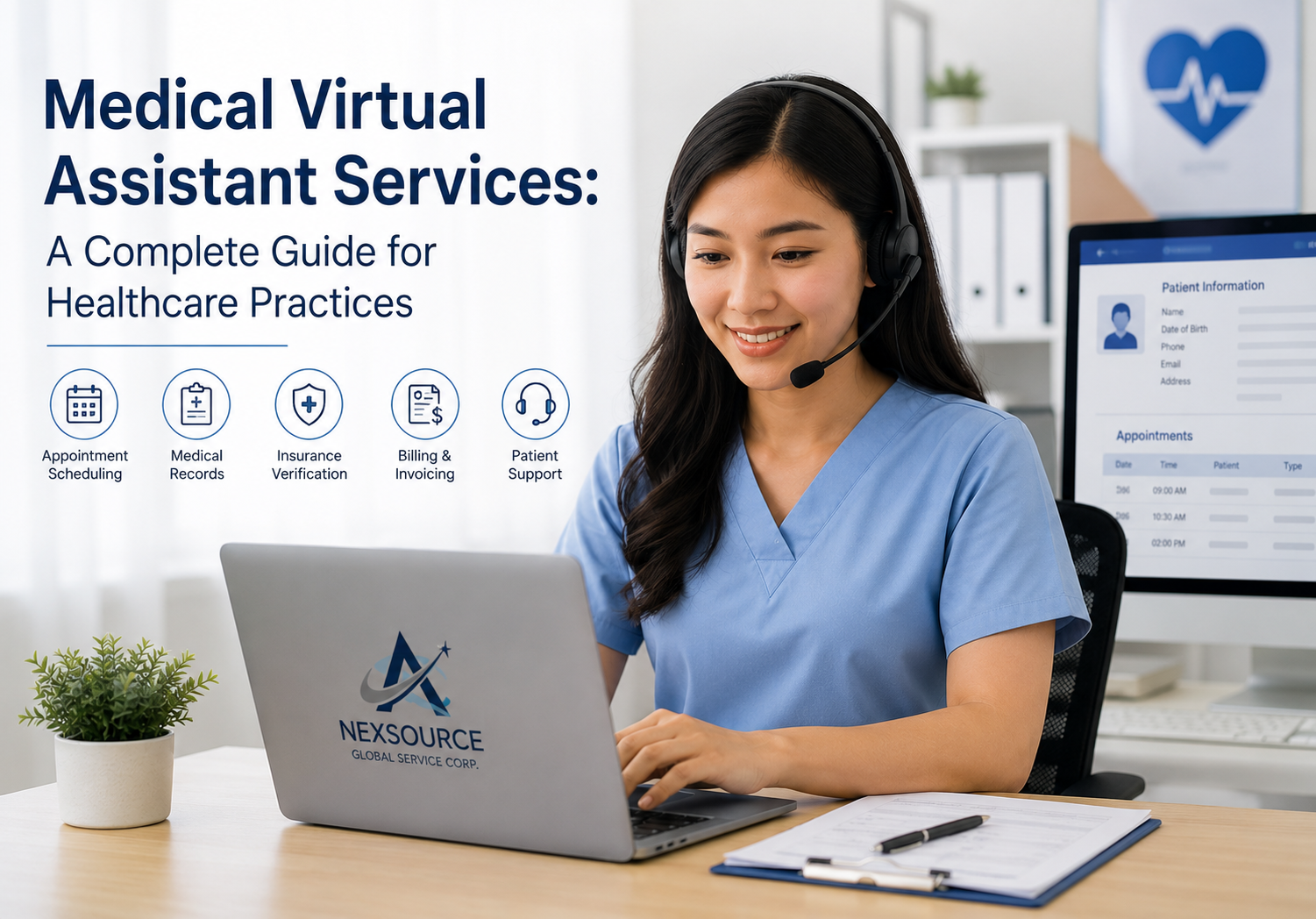
The healthcare industry continues to face growing administrative demands, increasing patient expectations, and ongoing staffing challenges. As medical practices seek efficient ways to manage daily operations while maintaining high-quality patient care, many are turning to Medical Virtual Assistant services.
From medical clinics and dental practices to specialty healthcare providers, Medical Virtual Assistants have become valuable members of modern healthcare teams. By handling administrative responsibilities remotely, these professionals help healthcare providers improve efficiency, reduce operational costs, and deliver a better patient experience.
In this guide, we’ll explore what a Medical Virtual Assistant is, how they improve patient management, and the key tasks they can handle for healthcare practices.
What Is a Medical Virtual Assistant?
A Medical Virtual Assistant (MVA) is a trained remote professional who provides administrative and operational support to healthcare organizations. Unlike a general virtual assistant, a Medical Virtual Assistant is familiar with healthcare workflows, patient communication, medical terminology, appointment scheduling, and various administrative processes used within medical practices.
Medical Virtual Assistants work remotely while supporting physicians, dentists, clinics, hospitals, and healthcare providers with daily administrative tasks. Their goal is to reduce the workload of in-house staff, allowing healthcare professionals to focus more on patient care.
As healthcare facilities continue to embrace digital transformation, the demand for Healthcare Virtual Assistant services has grown significantly.
Why Healthcare Practices Are Hiring Medical Virtual Assistants
Healthcare providers often spend a substantial amount of time managing administrative responsibilities. These tasks are necessary for smooth operations but can divert attention away from patient care.
A Medical Virtual Assistant helps bridge this gap by handling routine tasks efficiently and professionally.
Common reasons healthcare practices hire Medical Virtual Assistants include:
- Reducing administrative workload
- Improving patient communication
- Enhancing scheduling efficiency
- Lowering operational costs
- Increasing staff productivity
- Supporting practice growth
- Improving patient satisfaction
By leveraging Remote Medical Support, healthcare organizations can streamline operations without the expense of hiring additional in-house staff.
How Can Medical Virtual Assistants Improve Patient Management?
Effective patient management is essential for delivering quality healthcare services. Medical Virtual Assistants play a crucial role in ensuring patients receive timely communication, appointment reminders, and administrative support.
Improved Appointment Scheduling
Missed appointments can negatively impact both patient care and practice revenue. Medical Virtual Assistants help coordinate patient schedules, confirm appointments, and send reminders to reduce no-show rates.
By maintaining organized scheduling systems, healthcare practices can optimize provider availability and improve patient flow.
Faster Patient Communication
Patients often have questions regarding appointments, forms, insurance information, or follow-up care. A Healthcare Virtual Assistant can respond promptly to inquiries, ensuring patients receive timely assistance.
This enhanced communication contributes to a more positive patient experience and strengthens trust in the healthcare provider.
Better Patient Follow-Ups
Consistent follow-up communication is critical for patient retention and treatment compliance. Medical Virtual Assistants can assist with post-appointment follow-ups, patient satisfaction surveys, and care reminders.
These efforts help practices maintain stronger patient relationships while improving overall care outcomes.
Reduced Administrative Delays
Administrative bottlenecks can lead to scheduling conflicts, paperwork backlogs, and communication challenges. Medical Virtual Assistants help manage these processes efficiently, ensuring smooth daily operations.
What Tasks Can a Medical Virtual Assistant Handle?
A Medical Virtual Assistant can support a wide range of healthcare administrative functions. The specific responsibilities may vary depending on the needs of the practice.
Appointment Scheduling and Calendar Management
One of the most common tasks handled by Medical Virtual Assistants is appointment management.
Responsibilities include:
- Scheduling patient appointments
- Confirming appointments
- Rescheduling cancellations
- Managing provider calendars
- Sending appointment reminders
Efficient scheduling helps improve patient satisfaction while maximizing provider productivity.
Patient Intake and Registration Support
Medical Virtual Assistants can assist patients with onboarding processes by helping manage intake forms and patient information.
Tasks may include:
- Collecting patient information
- Updating records
- Managing digital forms
- Verifying contact details
Accurate patient records contribute to more efficient healthcare delivery.
Insurance Verification
Insurance-related administrative work can be time-consuming for healthcare staff.
Medical Virtual Assistants can help by:
- Verifying insurance eligibility
- Confirming coverage information
- Coordinating patient benefits information
- Assisting with pre-authorization requirements
This support helps reduce administrative burdens while improving patient service.
Medical Billing Support
Many Medical Virtual Assistants provide assistance with billing-related administrative tasks.
Their responsibilities may include:
- Preparing billing documentation
- Organizing claim information
- Following up on billing inquiries
- Assisting with payment coordination
Proper billing support helps practices maintain efficient revenue cycle management.
Electronic Medical Record (EMR) Management
Healthcare organizations rely heavily on digital record systems.
Medical Virtual Assistants can assist with:
- Updating patient records
- Organizing documentation
- Managing administrative data entry
- Maintaining accurate information
Accurate record management improves operational efficiency and patient care coordination.
Patient Communication and Customer Service
Patient experience is a key factor in healthcare success.
Medical Virtual Assistants often manage:
- Phone support
- Email communication
- Appointment inquiries
- Patient follow-ups
- General administrative assistance
Professional communication helps create a positive experience for patients while reducing pressure on in-house staff.
Benefits of Remote Medical Support
Remote Medical Support offers numerous advantages for healthcare practices seeking flexible staffing solutions.
Cost Savings
Hiring a Medical Virtual Assistant often costs significantly less than employing additional full-time administrative staff. Practices can reduce expenses related to office space, equipment, benefits, and onboarding.
Increased Productivity
By delegating administrative responsibilities, healthcare providers can spend more time focusing on patient care, consultations, and treatment planning.
Scalability
As patient volumes increase, practices can scale support services without the complexities of traditional hiring.
Enhanced Patient Experience
Prompt communication, organized scheduling, and efficient administrative processes contribute to higher patient satisfaction levels.
Medical Virtual Assistants for Dental Practices
Dental clinics are among the fastest-growing users of Medical Virtual Assistant services.
Dental Virtual Assistants commonly assist with:
- Appointment scheduling
- Patient reminders
- Treatment plan follow-ups
- Insurance verification
- Billing coordination
- Administrative support
By managing these tasks remotely, dental teams can focus more on delivering exceptional patient care.
Choosing the Right Healthcare Virtual Assistant
When selecting a Medical Virtual Assistant, healthcare providers should look for professionals with:
- Healthcare administration experience
- Knowledge of medical terminology
- Strong communication skills
- Experience with scheduling systems
- Understanding of patient management processes
- Attention to detail and confidentiality
Partnering with a reputable virtual staffing provider can help ensure access to qualified professionals who understand healthcare operations.
Final Thoughts
As healthcare practices continue to navigate increasing administrative demands, Medical Virtual Assistants have become a valuable solution for improving efficiency and patient management. From appointment scheduling and insurance verification to patient communication and Remote Medical Support, these professionals help healthcare providers streamline operations while maintaining high standards of patient care.
Whether you’re managing a medical clinic, dental practice, or specialty healthcare organization, a Medical Virtual Assistant can help reduce administrative burdens, improve productivity, and create a better experience for both patients and providers. By embracing Healthcare Virtual Assistant services, practices can position themselves for long-term growth and operational success.
0 Comments